St Michael’s Bungalow – Gliding, May 14th 2014

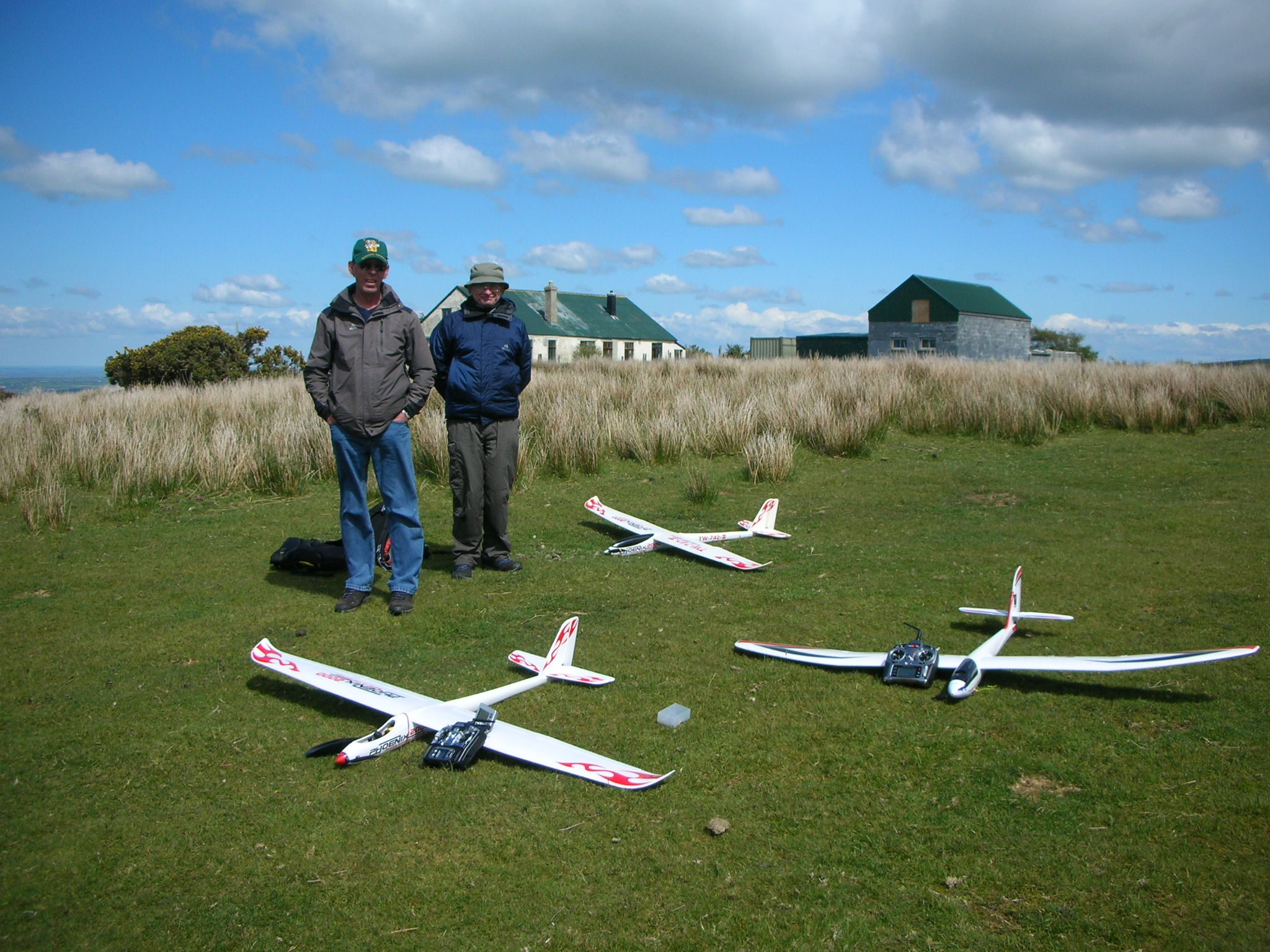
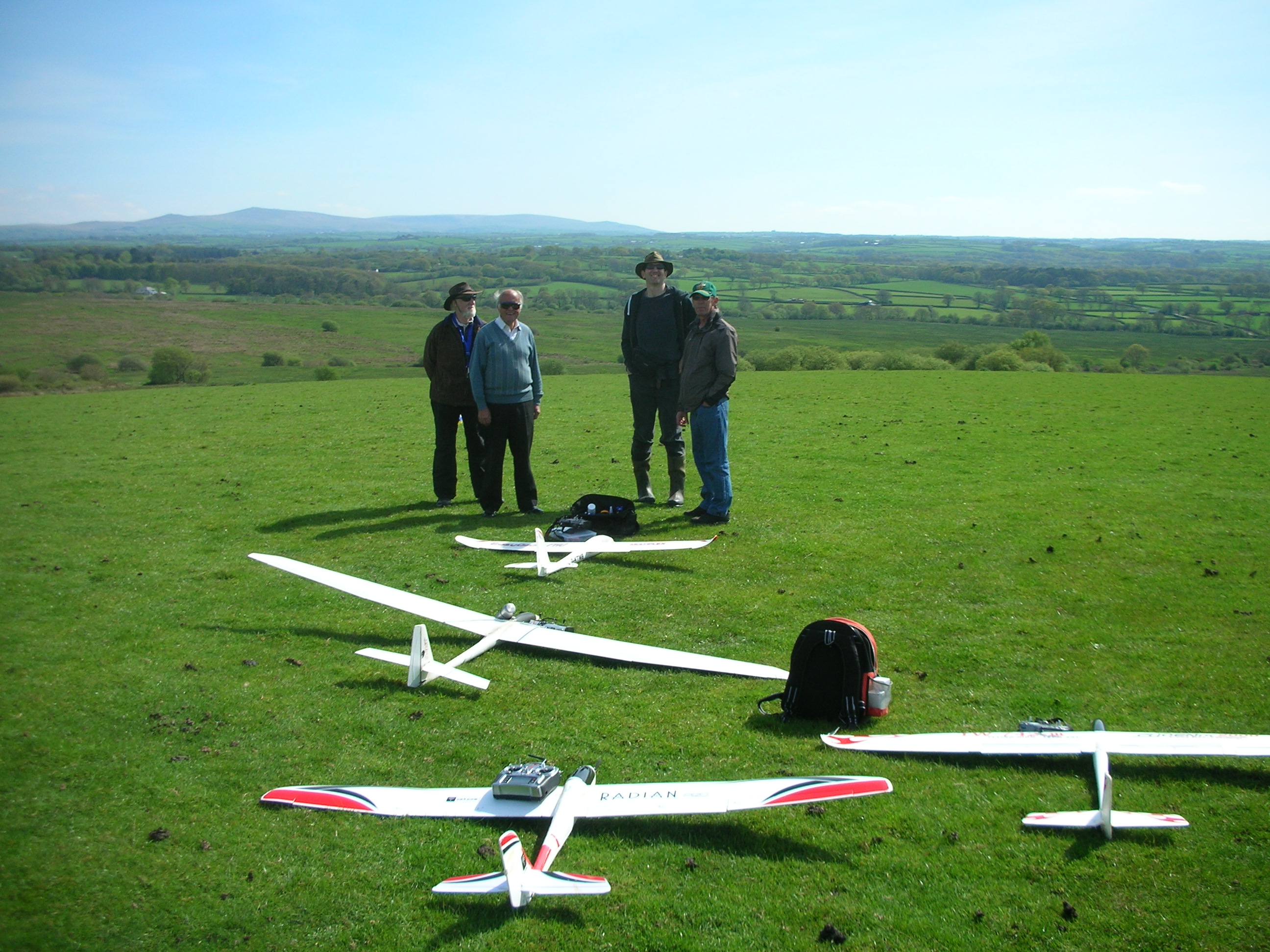
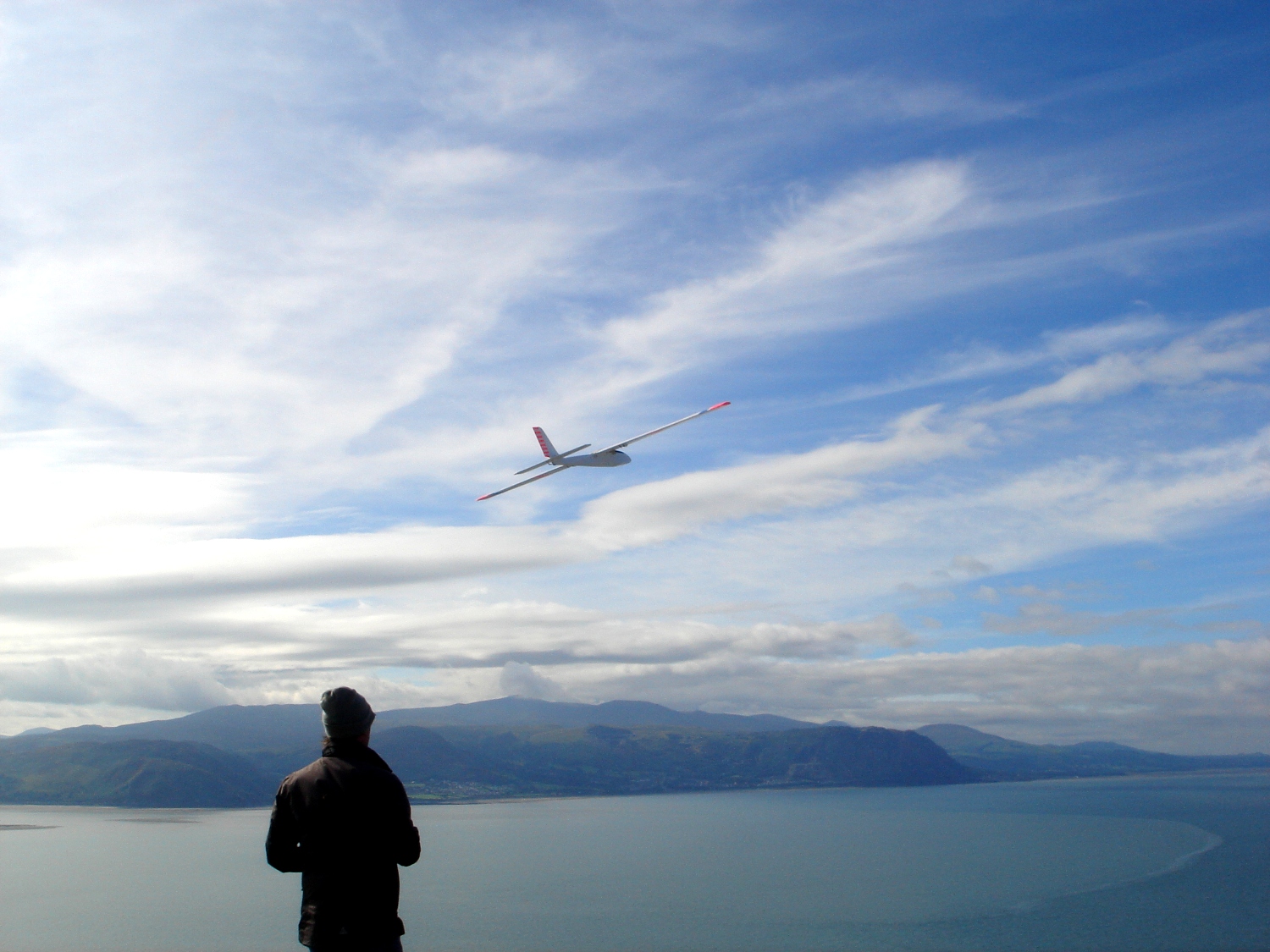
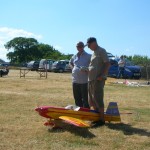
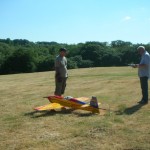
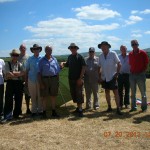
A moderate NW, some sunshine and temperatures rising – 16’C/18’C,  and St Michael’s was excellent today. The ground at the access has been chewed up by “Ten Tors” traffic, and it’s still pretty wet underfoot, but the flying was excellent – foamies were the order of the day – photograph below, Nigel and Rob – I’m taking the picture! Andrew

Foamies at St Michael's May 14th 2014

Foamies at St Michael’s May 14th 2014

Posted in Flying Reports, Uncategorized | Comments Off on St Michael’s Bungalow – Gliding, May 14th 2014

Nattadon – May 13th 2014

A strong NW, Nattadon was at it’s very best! The lift was amazing making retrieval a real challenge. The bracken has yet to grow, so no possibility of landing into the soft protection! Everyone found super flying conditions with a variety of model types ranging from my elderly 100″ Algebra of late 1980’s vintage, to a slippery Blob, and a Gentle Lady. In addition to the four OMFC flyers – Dave, Peter, Rob and me there were a couple of guys up from the Torbay club with sloping aerobats. A good afternoon, cool but exhilarating!

Andrew

Posted in Flying Reports | Comments Off on Nattadon – May 13th 2014

Gliders at Hatherleigh Mayday Weekend

DSCN6735


Andrew (taking the picture)and left to right, Peter, Dave, Justin and Rob enjoyed a great afternoon. Lift was very high and most were scratching around. Only Justin managed to catch a thermal and enjoyed a lift to 890 feet according to his on-board altimeter. However the weather was perfect, company excellent, so all in all a very good afternoon.

Posted in Flying Reports | 1 Comment

Off plan build of an LS-1 glider using modern techniques

I wanted a slightly faster aileron trainer and was looking for a design that I could apply modern build techniques. I selected the LS-1 designed by Carl Maas  and Mike Reed from the early ’90’s. The plan is available from;

http://www.inlandsloperebels.com/isrplans.htm

This plane was originally designed for the Charles River Radio Control Club and was intended to help members build their own.  There was also a commercial version built by Sig called the Sig Ninja.

Since the glider has a weakness around the wing seat and classically suffers breaks before and aft the wing seat I wanted to build a fibreglass/carbon fuselage and glassed sheeted foam core wing construction.

Fuselage Build.

I decided on the “lost foam” technique. This requires cutting and shaping the fuselage from Extruded Polysytrene (EPS) and glassing this.

I bought a sheet of EPS from Wickes;

http://beta.wickes.co.uk/Space-Board-Eco-Insulation/p/161297

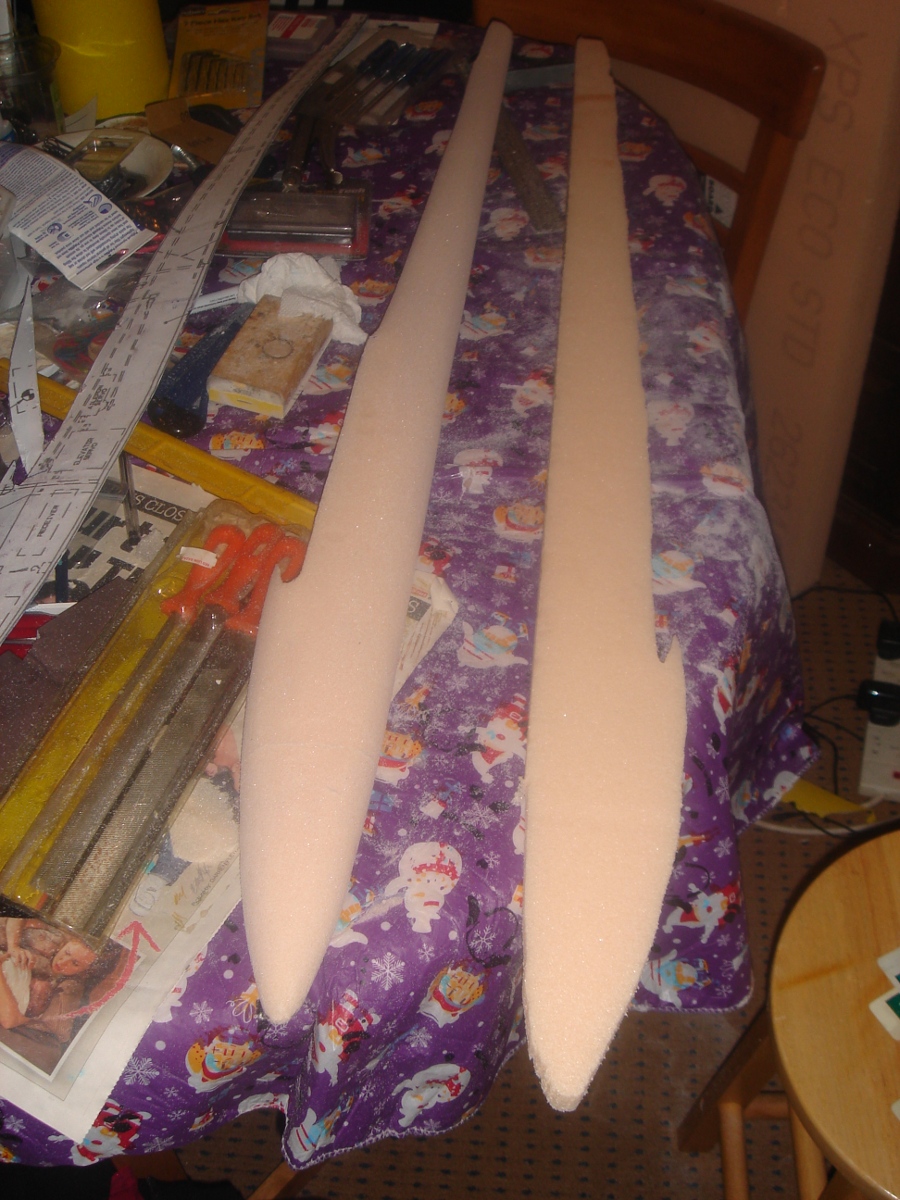
I printed a copy of the fuselage plan and then glued this to light cardboard. This shape was then marked on the foam. The shape was then cut out using a saw. I wanted a slender fuselage and therefore trimmed the foam cut out to 40mm. This was based on the width of a 4XAA battery pack but a 1500maH 3S lipo pack with a BEC would also work.
DSC02141a

In the picture above the fuselage has been shaped using mainly 80 grit sandpaper on a small block. The piece on the right is the section cut off to narrow the width.

Like any build it was important to get the centre correct and line everything with reference to the plan. The finished foam core was covered in packing tape to protect it from the resin. The packing tape was coated in a wax furniture polish to aid release from the resin.

I used the old polyester resin system mainly because of the cost and not knowing how it would turn out. I have used this many times before and am comfortable using it. Instead of buying cloth I used 50mm fibreglass re-enforcing  tape. This is 200g/m. I used 2 strips from the nose to a quarter of the length of the tail on each side. Having wetted that out with resin I added a length of carbon tow along each side. This was to re-enforce the weak area of the fuselage. I then wrapped using overlaps along the whole fuselage starting at the tail. Having wetted that out I wrapped the whole thing in insulating tape to bind it tight. The theory being that the wrap would add cross weave and strength to the structure. This was left to cure and when set the insulating tape was removed. The whole fuselage was then sanded using 60 grit sandpaper. Some areas required further glassing where bubbles had formed.
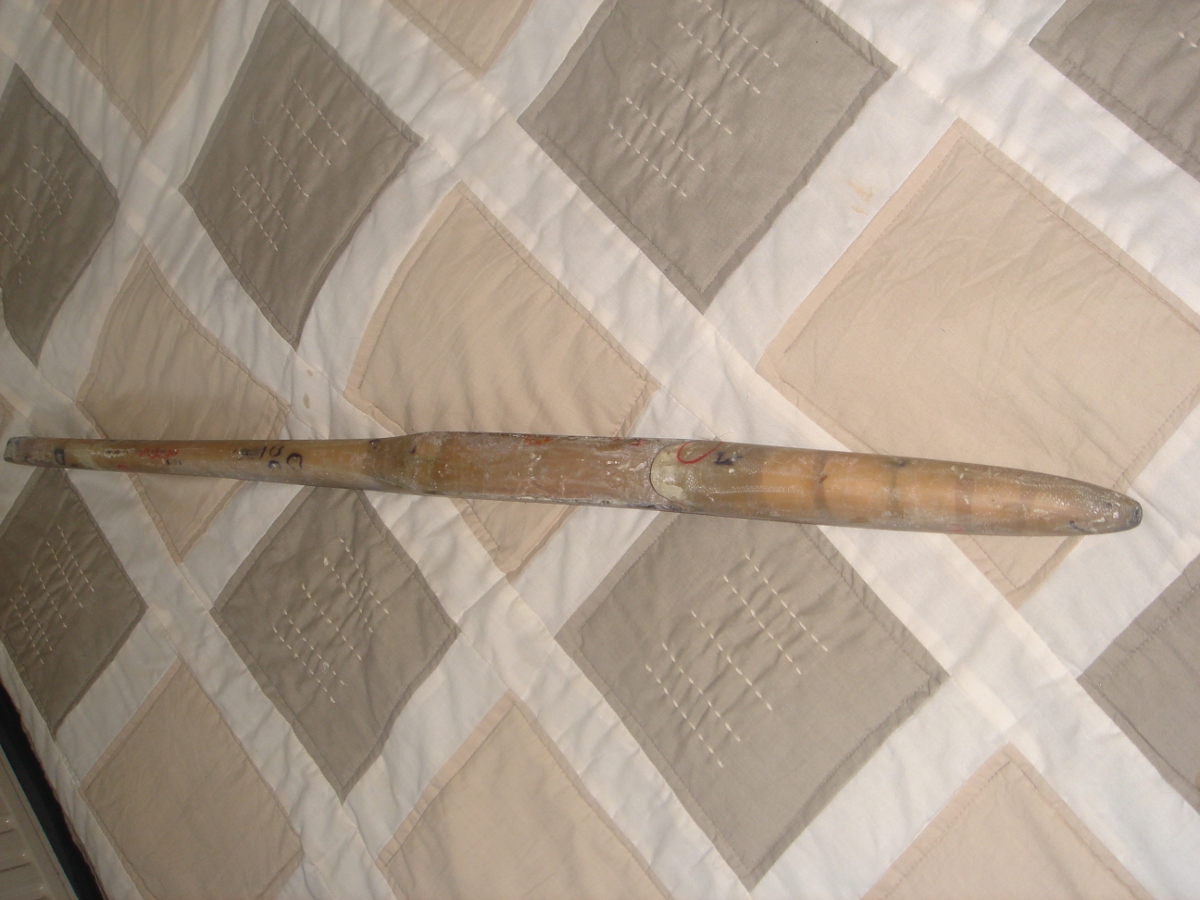
DSC02145a

Satisfied with the finish the foam could be removed. The wing seat was then cut out in preparation for the foam removal.
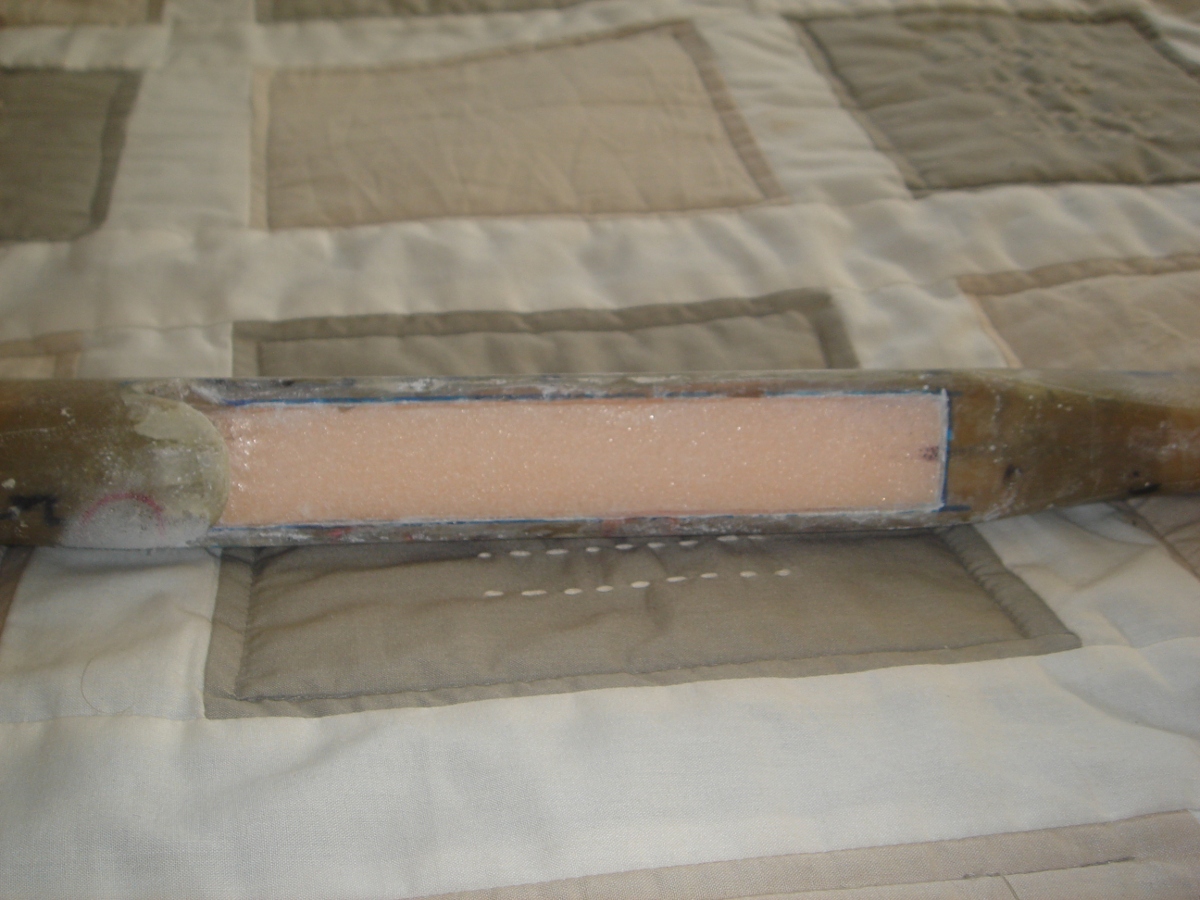
DSC02148a

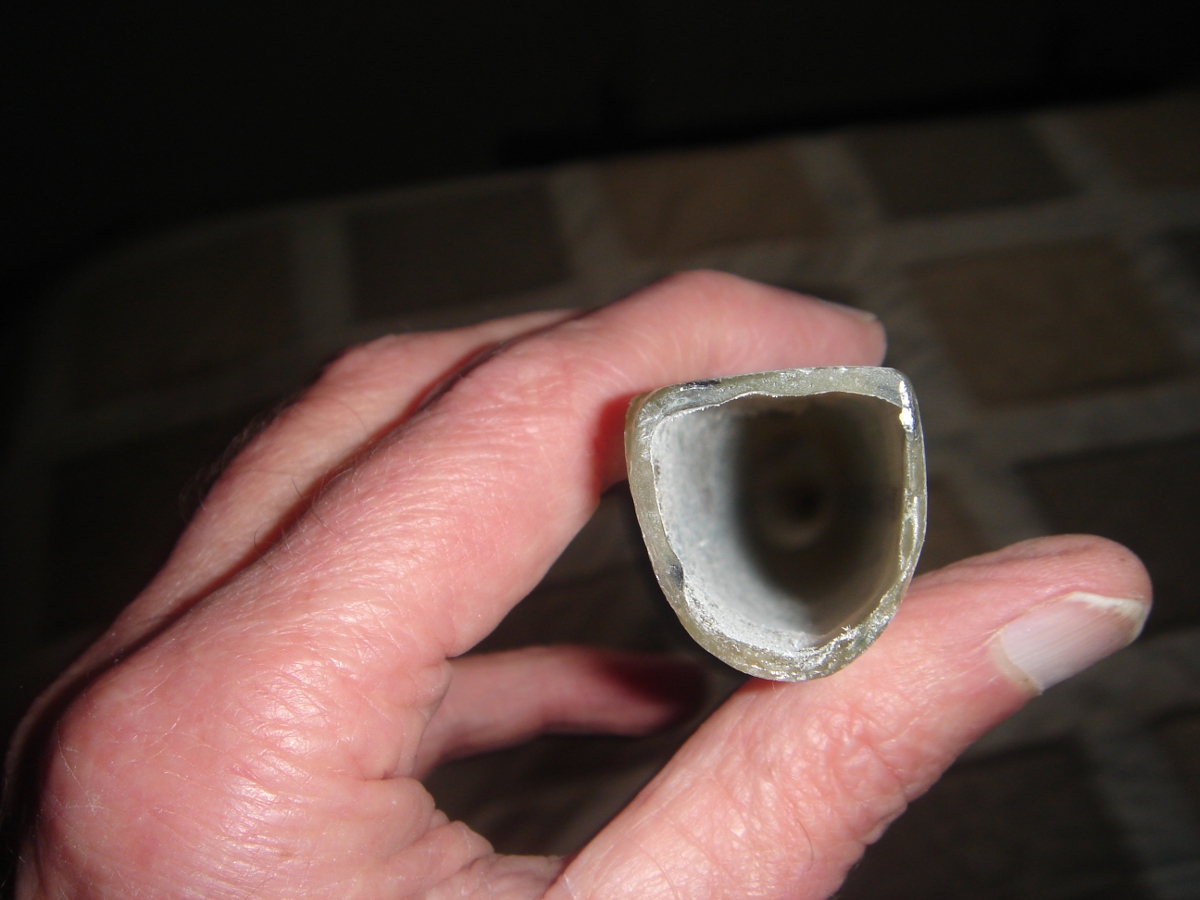
The magic can now happen. By pouring in a small amount of acetone the foam is reduced to a lump of pink goop which slid out of the tail opening. The packing tape could then be pulled out of the fuselage.
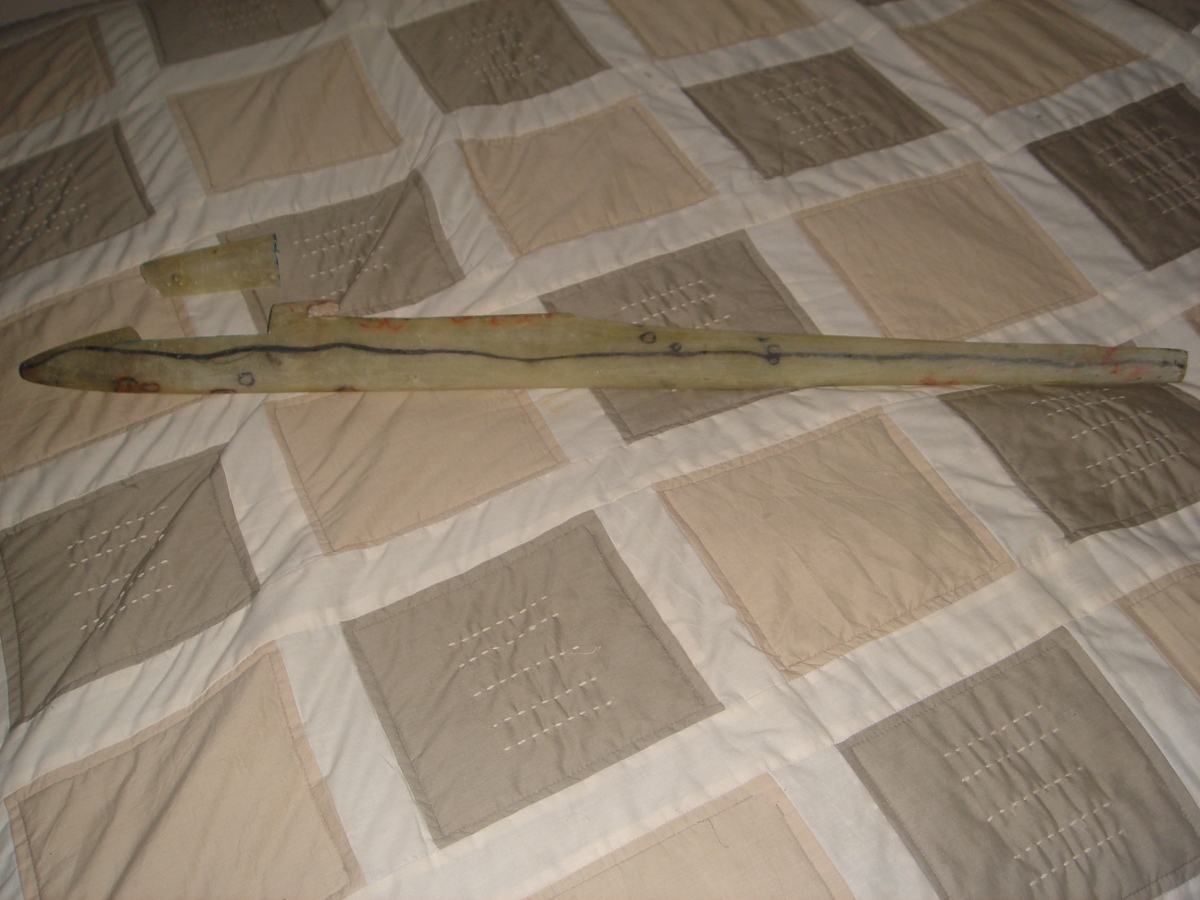
DSC02150a

So above the finished fuselage with the canopy in the front cut out. The black carbon along the length of the fuselage is visible.
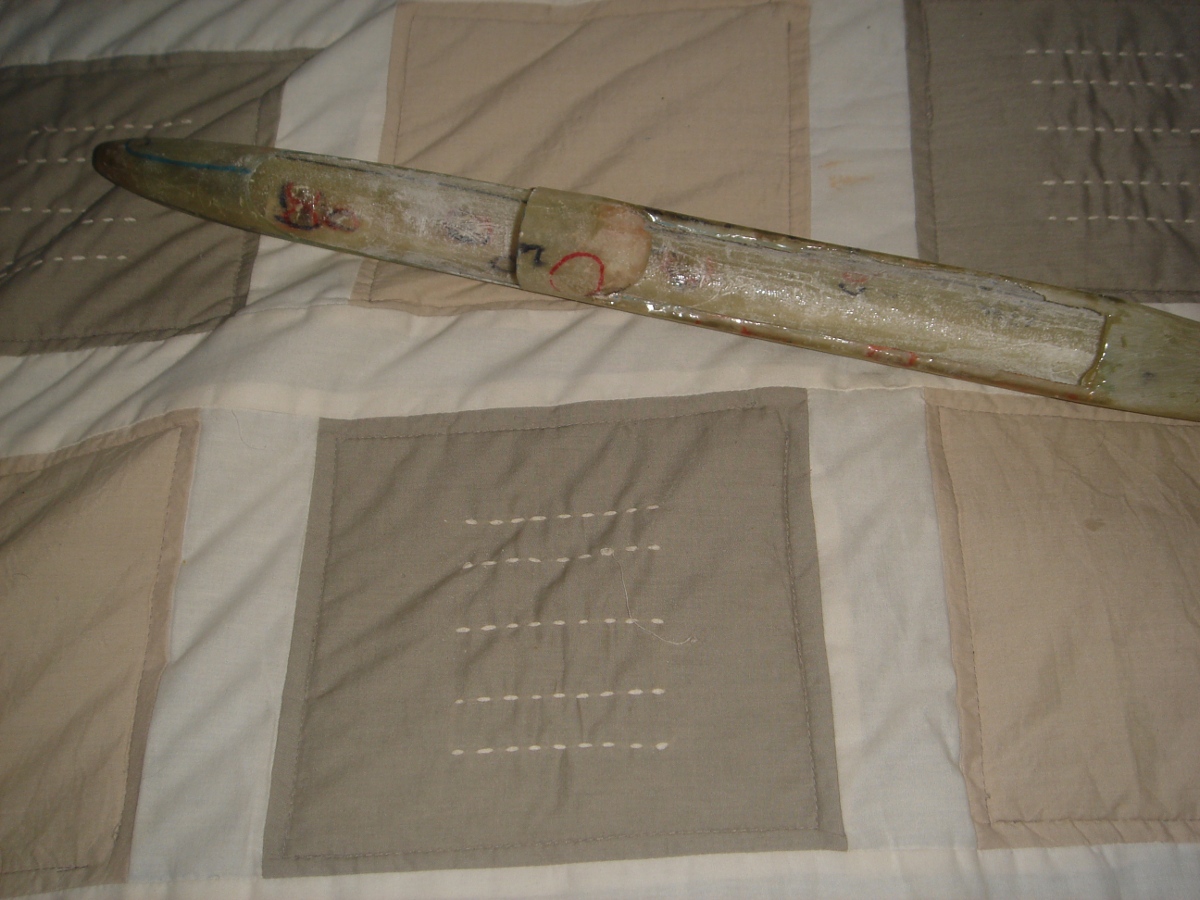
DSC02151a

The red and black rings are just marks showing me where bubbles were and needed filling.
DSC02152a

Wing Construction.

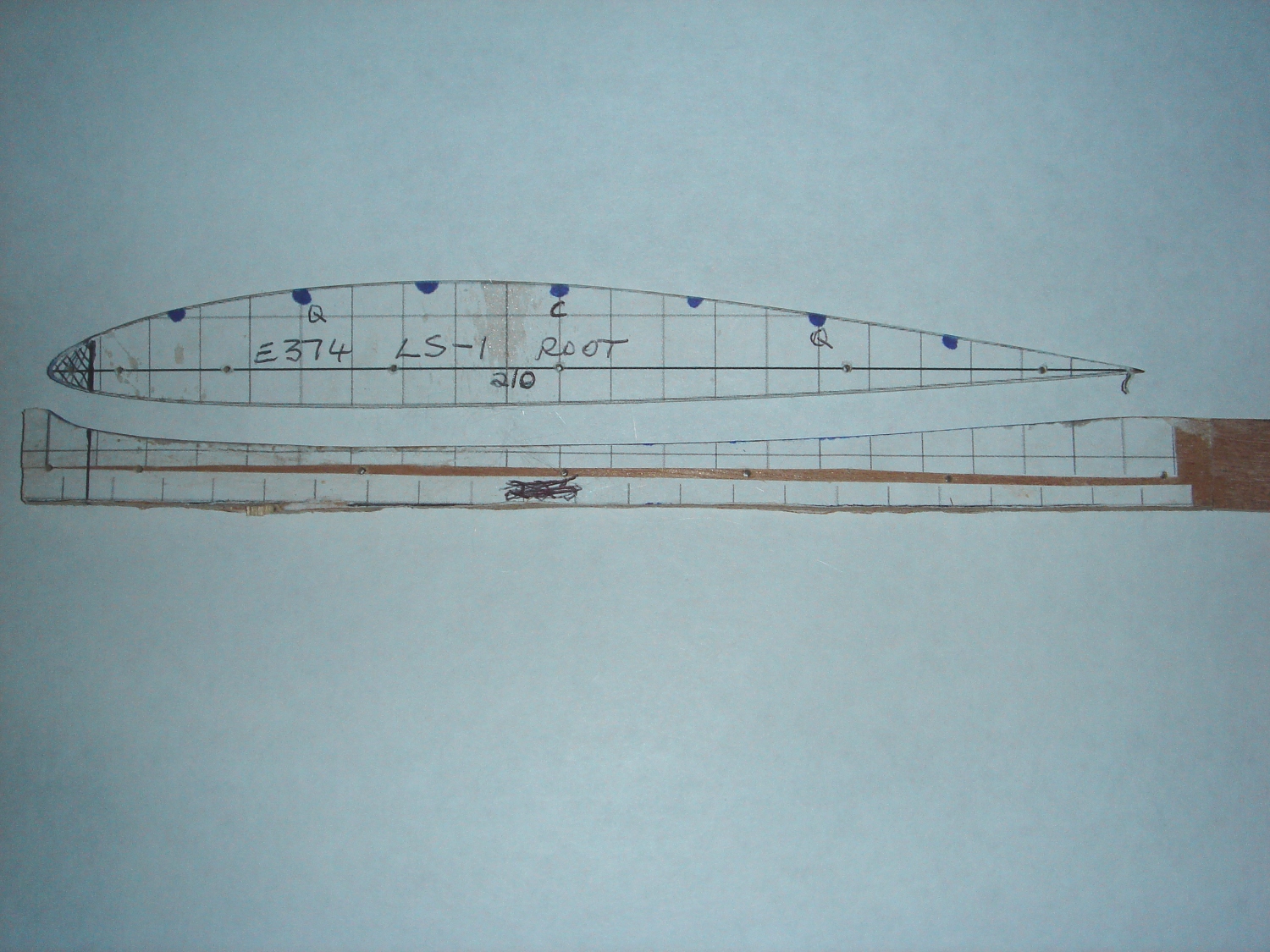
The wing was to built in stages. I decided to use the Eppler E374 airfoil. The original used the SD6060 which is very similar. This is a tapered wing so the initial step was to get the airfoil shapes based on the width at the root and tip. Having measured the root and tip I used an on-line source to print the airfoil outline;

http://airfoiltools.com/airfoil/details?airfoil=e374-il

The next job was to make the airfoil shapes using plywood. The wings were to be cut in 2 cuts. The first was the lower cut and then followed by the upper cut. So two formers had to be made.
DSC02191a

Because I was going to use a balsa leading edge I marked the size on the profile and the cut on the leading edge started at this point. The lower former has lead-out section to allow the hot wire bow to move away from the work. Each surface of the former was covered in candle wax before each cut to smooth the flow.

I used ordinary polystyrene for the cores as this is much lighter than EPS. The shape for each wing was marked and then cut by hanging the hot wire bow along the line and then powering it up so that it cut by its own weight. This produced a very straight cut.

The centre line on each end was marked and then the tip was raised 10mm to get the correct dihedral at the root. The centre line of each former was lined up. The tip former was twisted 2mm down at the front to get some washout. The cuts were made by pushing through from front to back with someone watching from the side to get the correct speed for the taper. It took 3 attempts before getting the correct speed for the first wing. Each wing was kept in its wing bed. They were then filled with Wickes light weight filler and sanded in their wing beds. Having thoroughly removed all dust they were ready for sheeting. I used 1/32 balsa sheets. 3 sheets were butt jointed with wood glue. The front sheet parallel with the leading edge, 3rd sheet parallel with the trailing edge and the middle in a wedge shape. I allowed a lot of overlap. Now I was ready for the gluing of the sheet to the wing core.

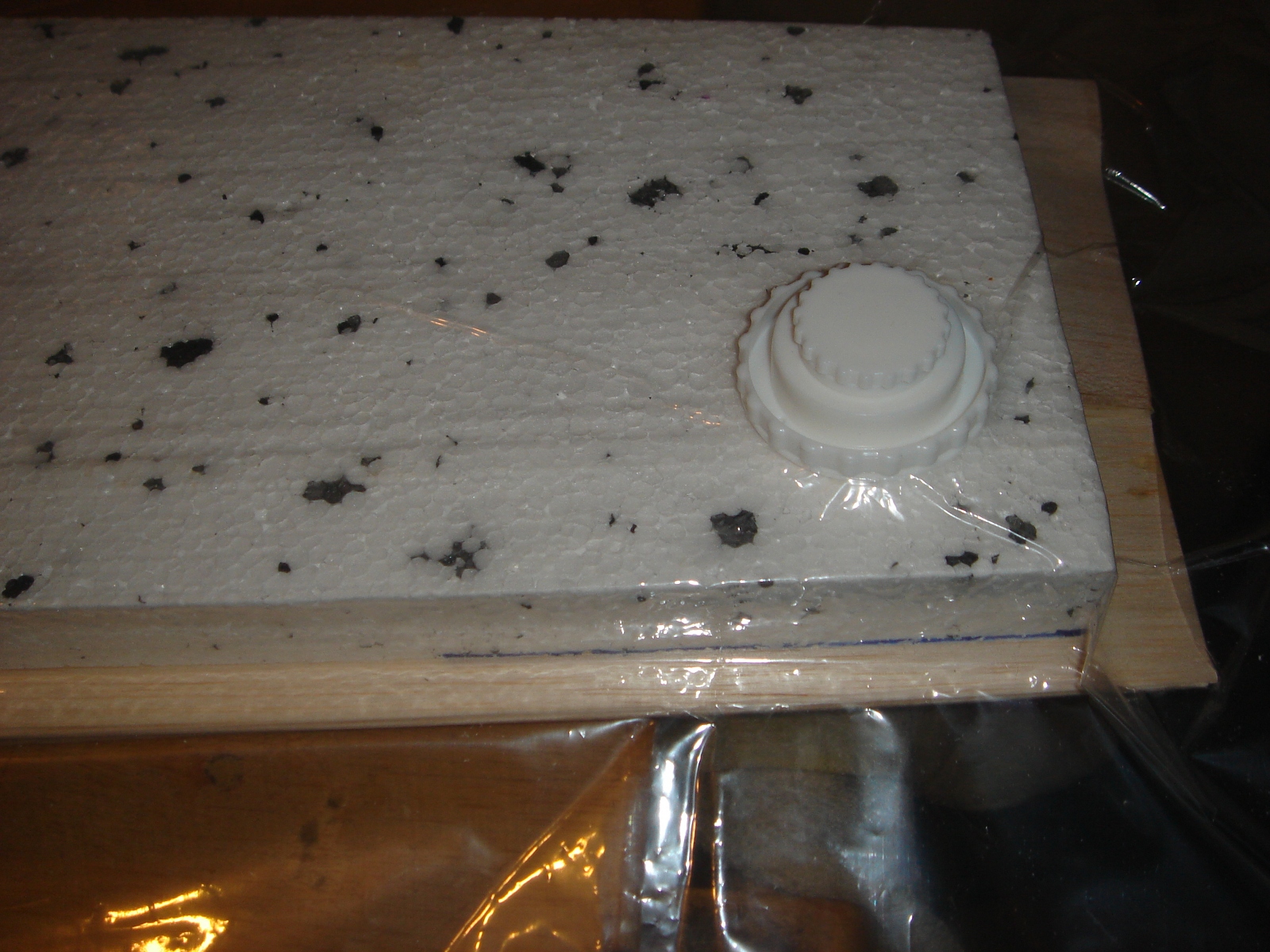
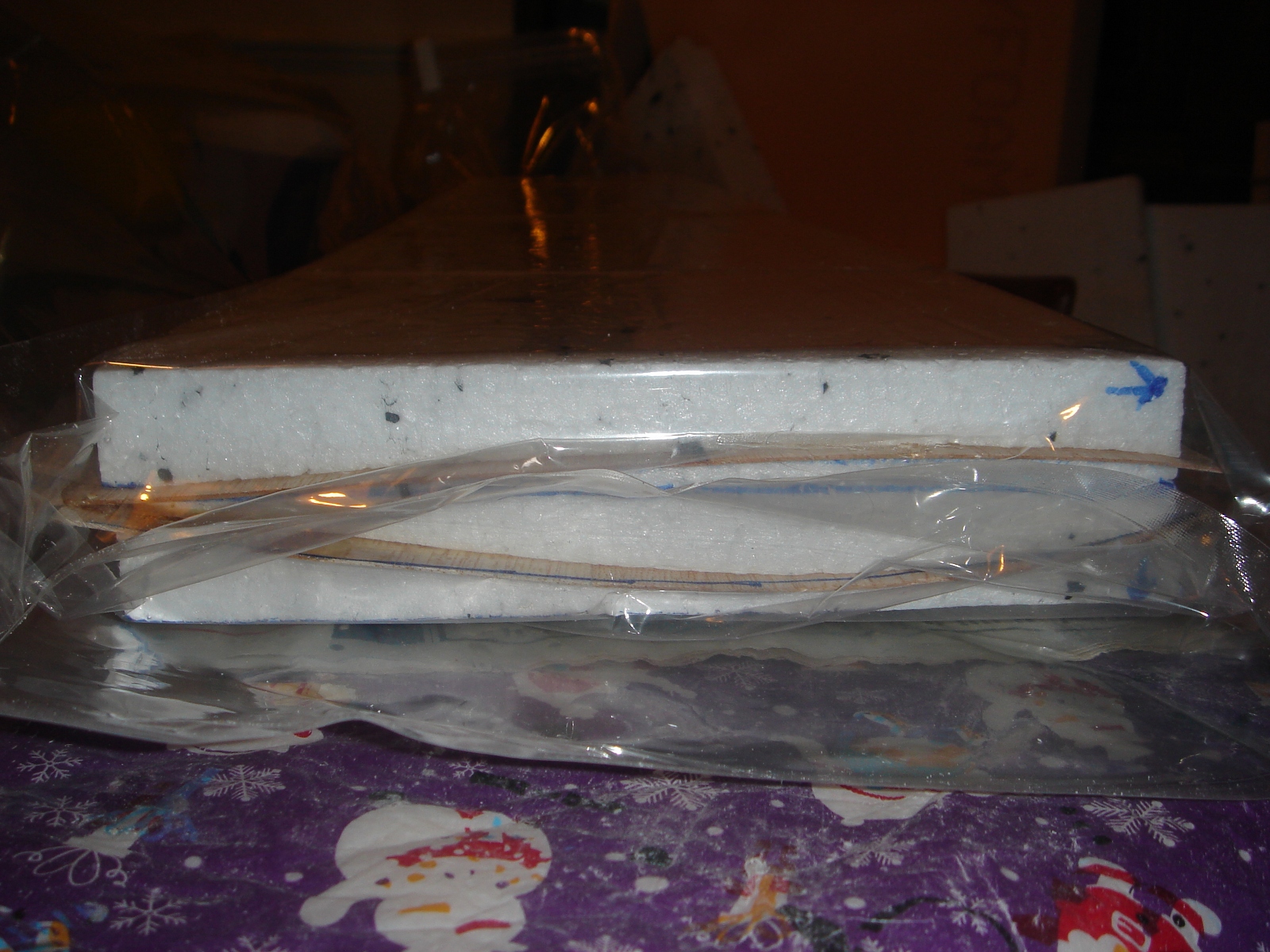
Each sheet was coated in a light coat of polyurethane glue (Gorilla) and the cores sprayed with a light mist of water. The sheets were then applied to both surfaces and they were then placed in their wing beds and into a domestic vacuum bag and this was vacuumed using a household vacuum cleaner and left for an hour.
DSC02172a

DSC02156a

Once set they were removed and the leading edge could be glued in prior to planning down the edges.
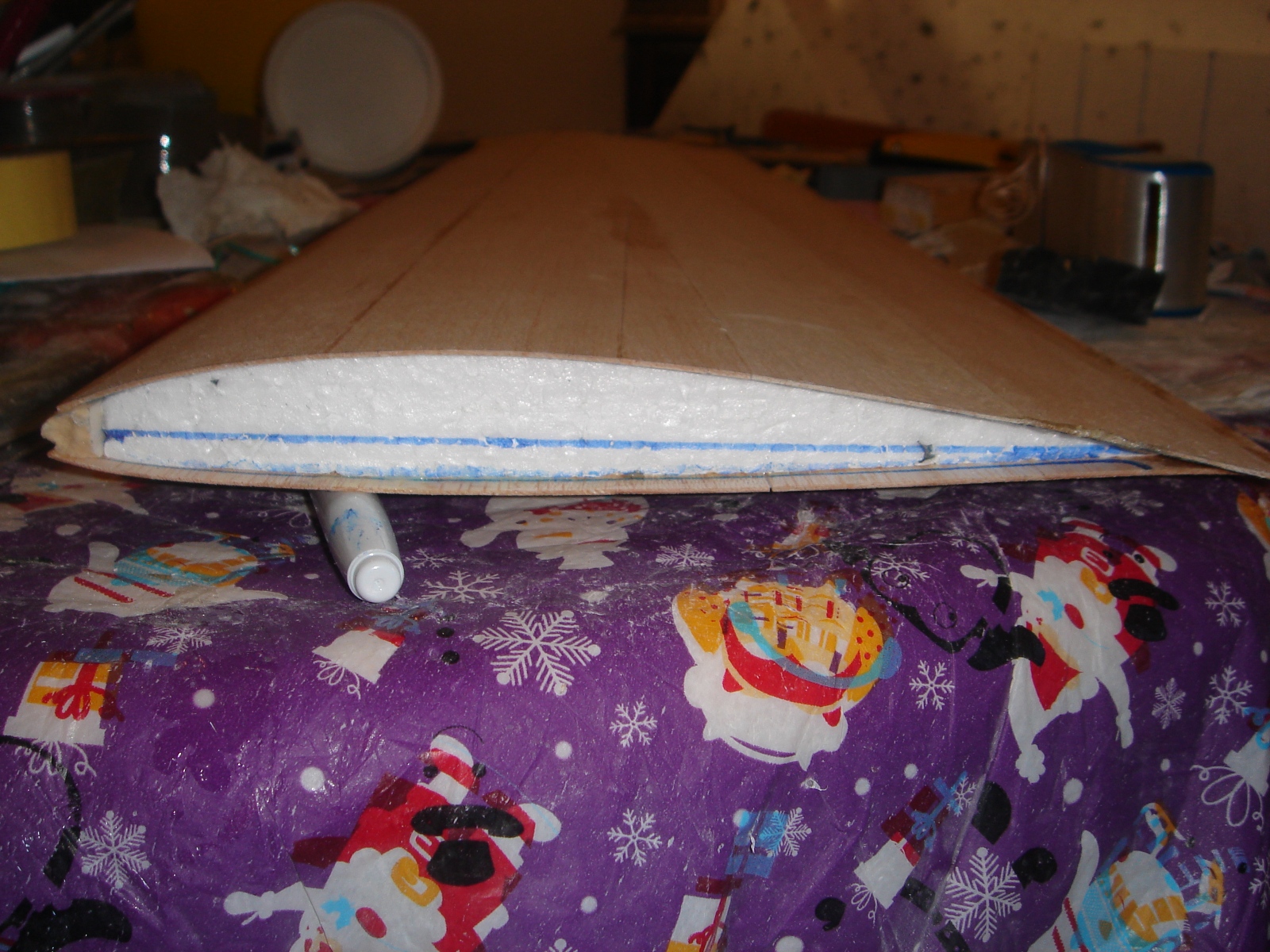
DSC02159a

The ailerons were then marked and cut out at this stage and wing tips added. With all the trimming and sanding done they were ready to be glassed. I use 17g/m fibreglass cloth. This is applied using water based polyurethane (WBPU). The work is sealed using an oil based sealer. I then layed the cloth and started applying the polyurethane from the centre and worked out. I then coated with a further 4 coats to fill the weave.
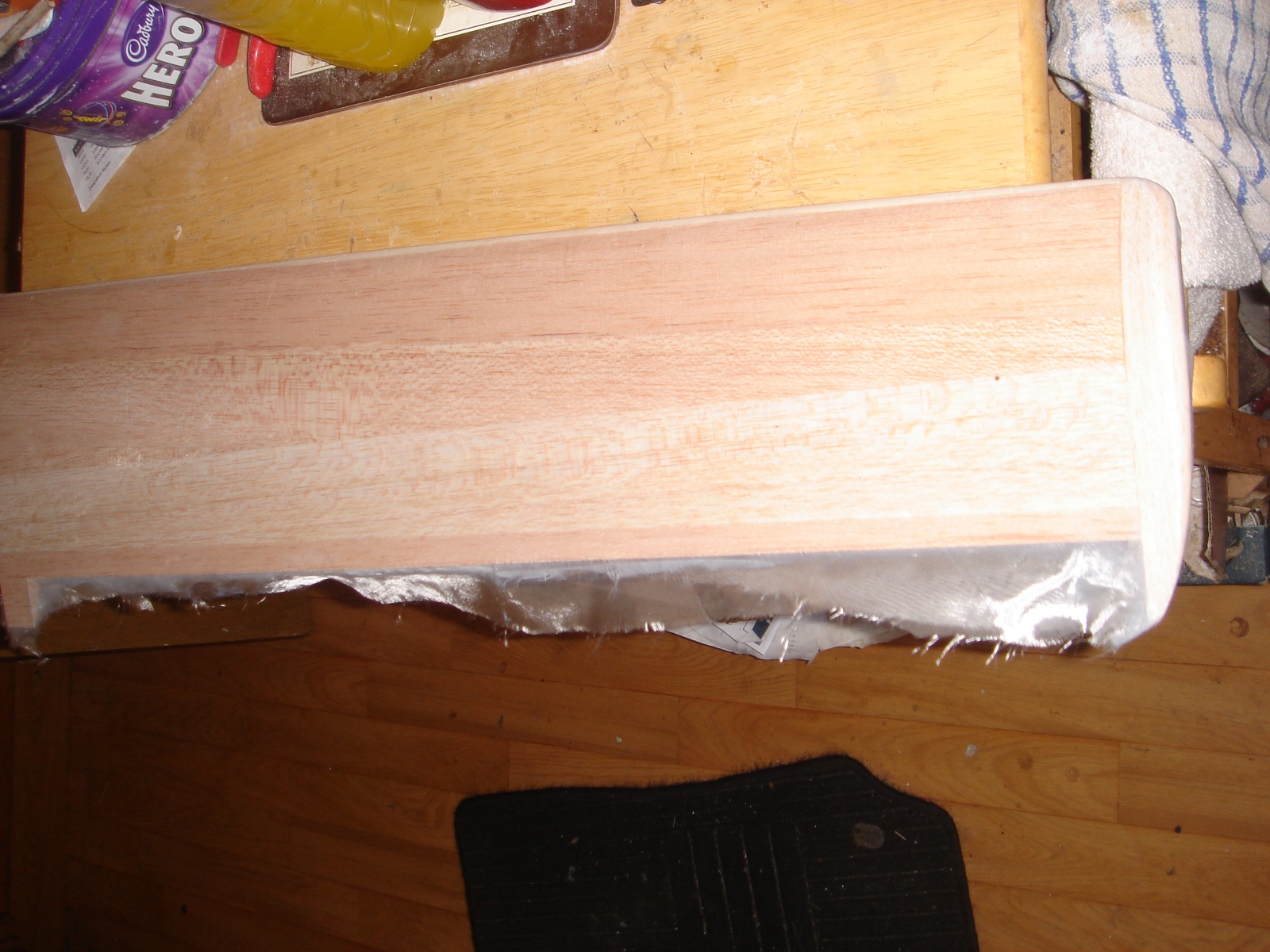
DSC02167a

Following this I made a paste of talcum powder and WBPU which has a consistency of thick cream and this was applied and sanded with 240 wet and dry until a glossy finish was achieved. I actually weighed the wings in this process and the glassing only added 18g to the weight of each wing half. The wing halves were then ready for joining. They were joined again using polyurethane glue and then glassed with polyester resin and two layers of light weight glass cloth.
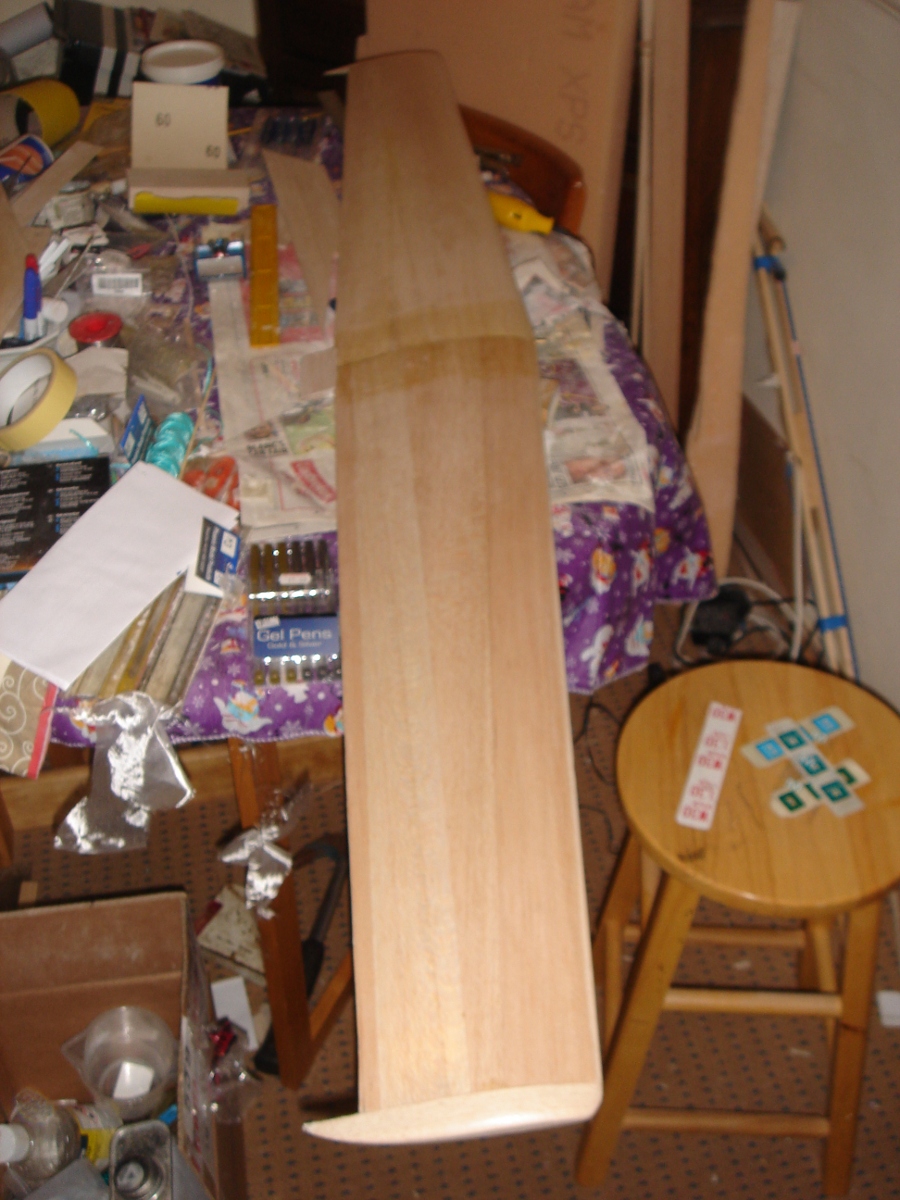
DSC02173a

So the next job was to site and cut out holes for the wing servos.
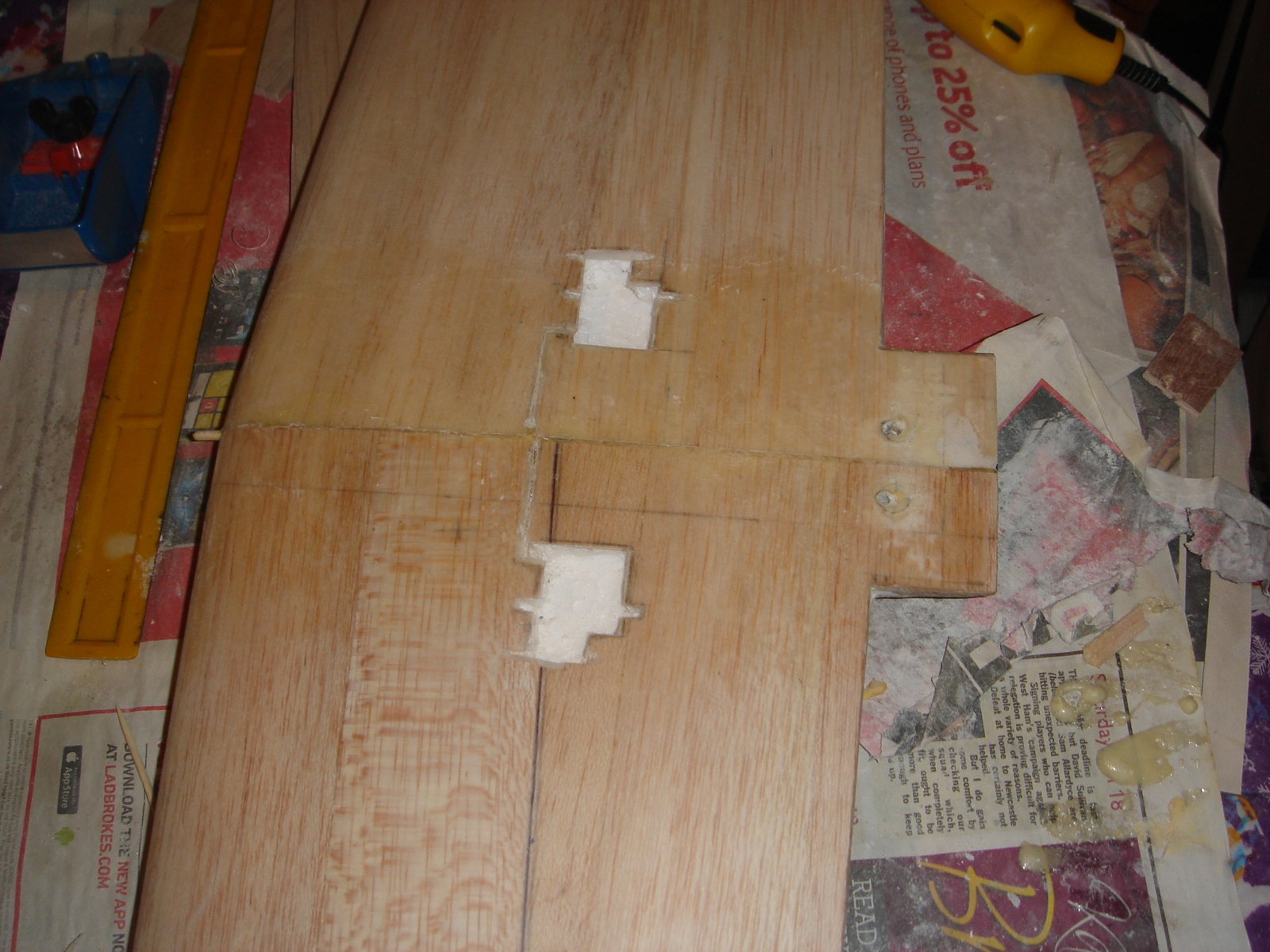
DSC02175a

So with the tail feathers cut in 5mm balsa it was time to setup the radio equipment prior to covering. Since this is a aileron elevator model it required the single servo.

The model was covered using Hobbyking covering for the wings and tail and Solarfilm for the body. The HK covering I found very good but needs to be used immediately the backing is taken off. It is very heat tolerant and is excellent value for money.

Once covered the model needed balancing. The nose weight required turned out to be 130g which was much higher than expected. I probably over did the thickness of the tail of the fuselage but the all up weight at just over 1kg is not that excessive and is about par with similar models of this class.

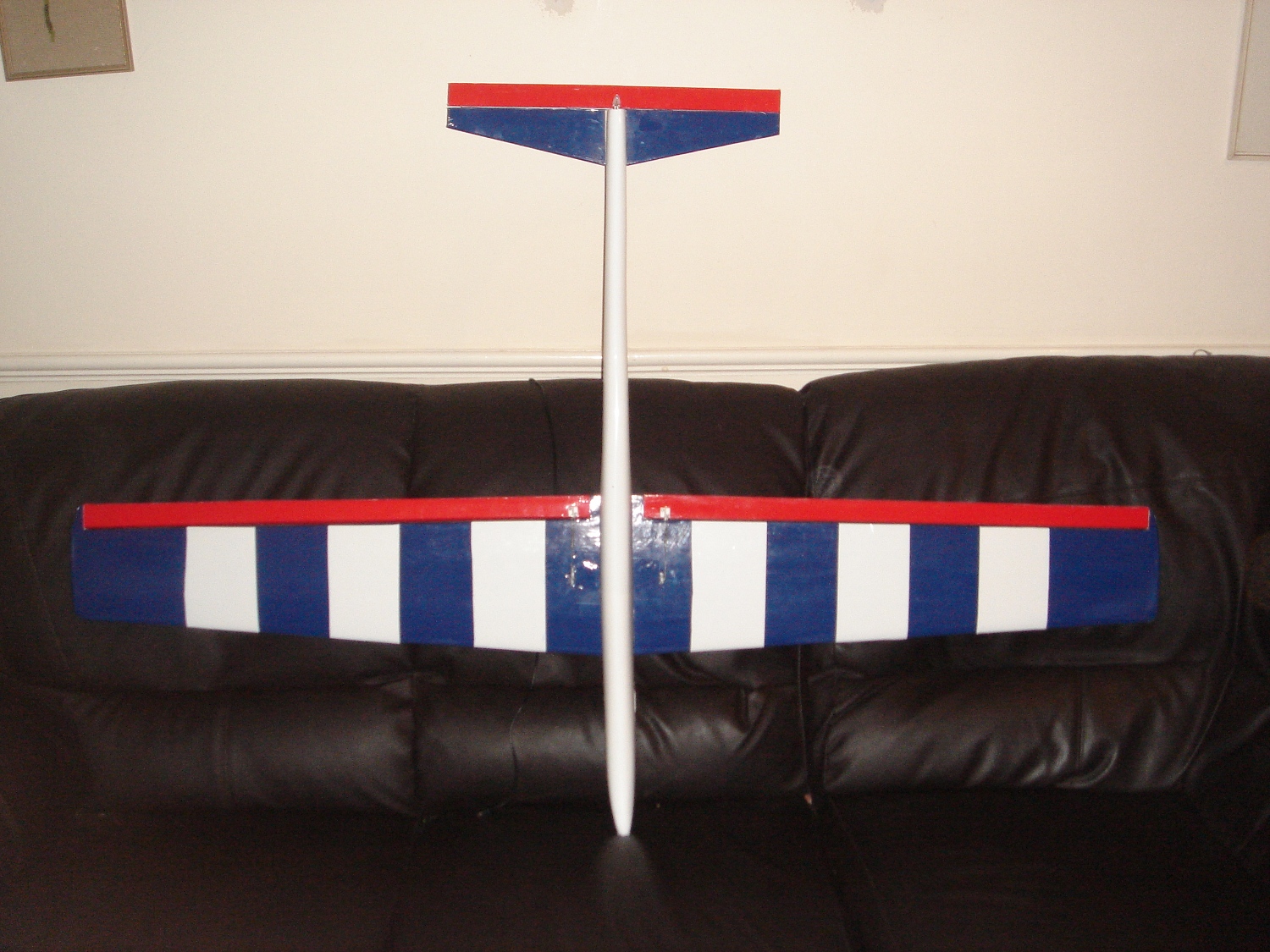
The end result;
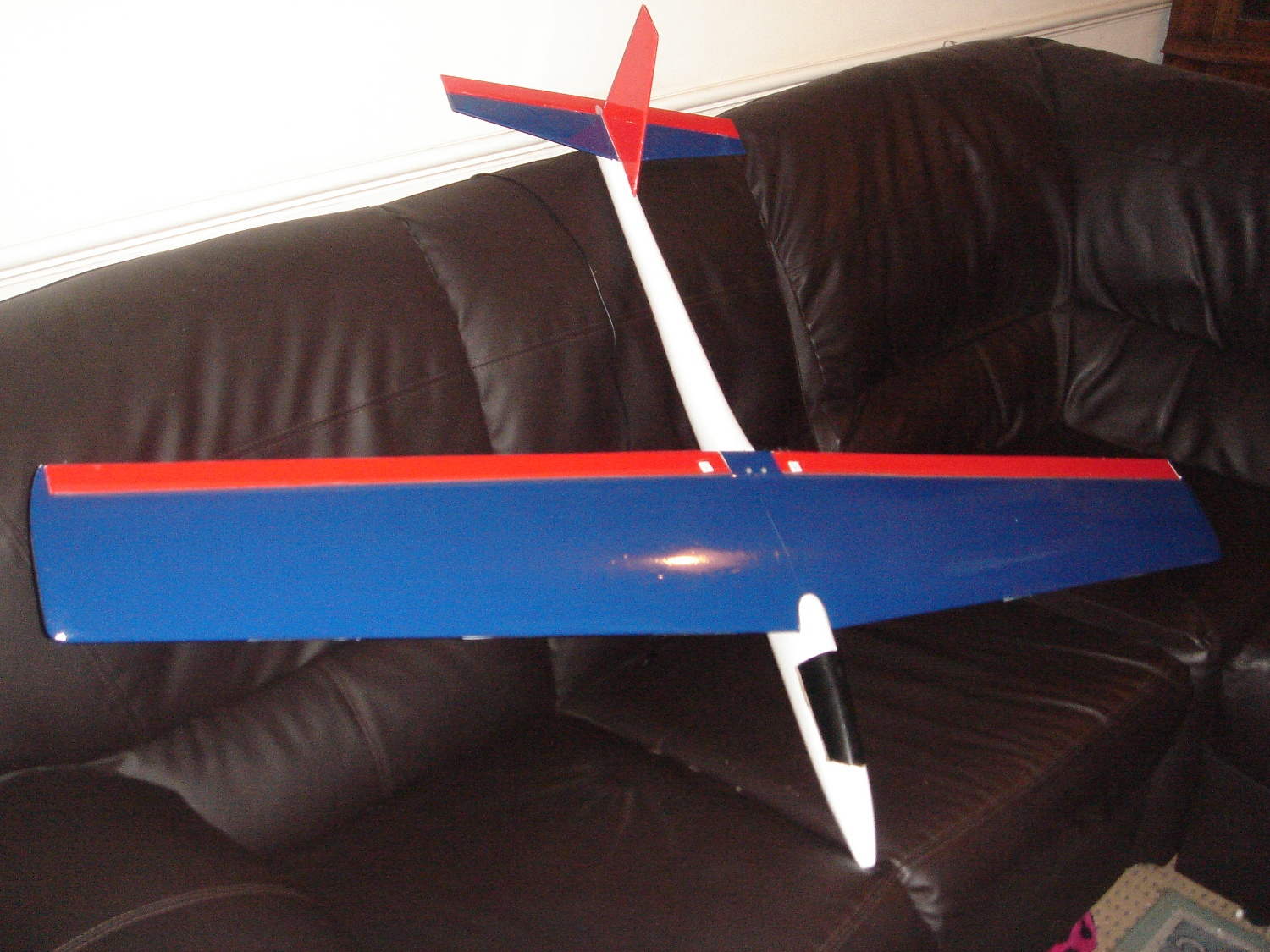
DSC02187a

DSC02182a

The initial glide tests were disappointing. The model appeared nose heavy and there were  indications of problems with lift. Removing some nose weight to move the balance point back 10mm helped somewhat but still the wing was showing no lift and it was a bit like flying a brick.

Some detailed examination and discussions with other club members indicated a possible problem with the angle of attack. So back to the wing seat and skimming off 5mm on the trailing edge of the wing seat changed this. Further glide tests showed positive results and it it was showing a strong level glide for a distance of some 60m with a good push off. Glide was straight and true and good elevator response. She likes to fly fast so a nice blow and good lift should see her flying. Cross fingers for a good result on her maiden. Will keep you posted.

Thanks for reading.

Regards,

Rob

15 April 2014

XCWeather indicated some good consistent ESE winds between 12 and 20 MPH so arranged with Dave to take a trip out to Gibbet Hill, Mary Tavy, to give it its maiden flight. Dave had brought his aerobatic glider and he put this out to check conditions. Lift was fairly good although there were areas of turbulence. Dave kindly agreed to handle the controls for launch whilst I gave it good shove out into the lift. Off she went, straight and true and virtually no trimming required. I took over after Dave had checked her out. She is a bit twitchy and required some gentle control. Flies like she is on rails. Turns are excellent and she climbs well. Very impressed indeed. Will need to grow into her as she is a lot quicker and reactive than anything I have flown so far. Second flight Dave tried a roll and she was much quicker and tighter than he expected.

Overall lovely sloper and hope I can do her justice  😀 My thanks to Dave once again for his patience and interest in us rookies.

Posted in Projects | Comments Off on Off plan build of an LS-1 glider using modern techniques

Gliding trip to Wales

Debbie and I left last Monday to spend the week in Wales. First stop was Merthyr Tydfil. The trip was surprisingly quick only taking 3.5hrs. Had I known this I would have planned a trip to Bwlch Slopes that day.

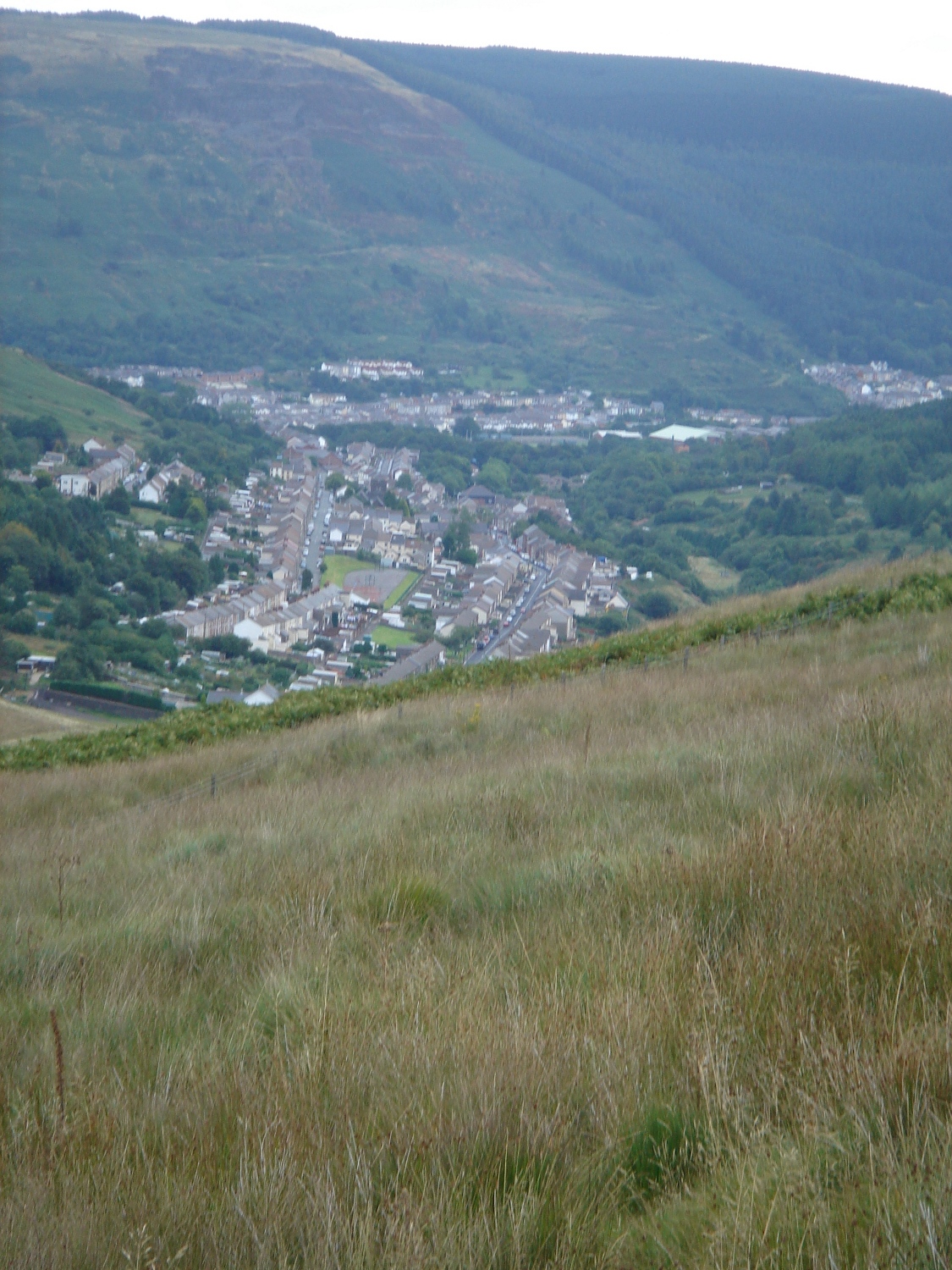
It took about half an hour to travel through some wonderful mountain scenery and the Welsh Valleys to get to the stunning slopes of Bwlch;

DSC02041a

DSC02040a

There was a good wind blowing onto the Ice Cream Slope. The slope has a great landing area behind and we were lucky with the wind direction on to this slope. I started off with the Fusion and then flew the PMP Stage 2;

DSC02043a

DSC02047a

Looking over the valley is the Wrecker and the Crest. Both used for F3F competitions. The Wrecker, so named, because of the vicious rotor at the edge which is renowned for destroying gliders;

DSC02045a

I was joined by two “locals”, Chris and Mark (FWAL). I say locals but both had traveled further than me. Great company and I learned a lot and saw some awesome planes and flying.

Mark brought his 2 Blejzyk models; 1.9m Mefisto and 2.4m Hammer;

Blejzyk Models

while Chris brought his Willow, Air One, Tucan and Voltige;

Chris Bwlch

Chris flying an F3F;

Chris flying

Chris flying video;

The following day we traveled through the Brecon Beacons on up through North Wales to Colwyn Bay. A really lovely seaside town with lovely beaches.

The weather forecast for Thursday was rain arriving at 2pm. We went up to Llandudno and the Great Orme early to get some flying in. This is a really spectacular location. The granite batholith rising high above the sea;

DSC02065a

We went on to the Southerly face looking into the bay where there was a gentle wind and lots of lift off the sea;

DSC02071a

DSC02083a

Had some wonderful flying with the Fusion and lots of practice landing the PMP Stage 2;

DSC02094a

Ian and Tim had planned to meet me there but sadly I left shortly before they arrived and missed a session of flying with them.

We made our way home via the A470 through Snowdonia. What a wonderful route this is;

DSC02117a

We returned to a very soggy and wet South West. If you ever get the chance to visit and fly in Wales you are surely in for a treat you’ll never forget. I will definitely be returning for more.

Happy soft landings,

Rob


Posted in Flying Reports | 1 Comment

Lakeside Fun Fly – 20th July 2013

lakeside2013
Many thanks to all who turned up to fly and support the club at Lakeside! It was wonderful day of flying!
Attached is a couple of photographs – afraid amongst the flyers Chris Podbury was up on the lake, and Paul Daniel arrived after the group photograph!
However, my thanks to you all for your support and particular thanks to Felix for organizing and administering the event.
Group photograph L-R: Felix martin, David Sandford, Richard Johns, Peter Broughton, Dave allin, Andrew Bourne, Joe Spiers & Peter Brook (Visiting from Dartmoor Slope Soarers), Richard Miller, Jeff Barrington, Andy Gardiner.
Posted in Events, Uncategorized | Comments Off on Lakeside Fun Fly – 20th July 2013

Second Max Thrust Riot puffs it’s esc in a week!

On the fifth flight of the day the Riot was on the ground, I opened her up to take off and the motor made an odd noise for a couple of seconds followed by a puff of smoke and dead stop.

Luckily the model hadn’t actually moved. Unlike Les on Saturday. His Riot was mid flight when a puff of smoke was observed followed by loss and control and total loss of the model.

Closer examination this evening reveals nothing physically wrong, apart from a strong wiff form the ESC! Motor was loose where it attaches to the bulkhead, not really bad but enough for some vibration.

Any ideas??


Posted in Uncategorized | Comments Off on Second Max Thrust Riot puffs it’s esc in a week!

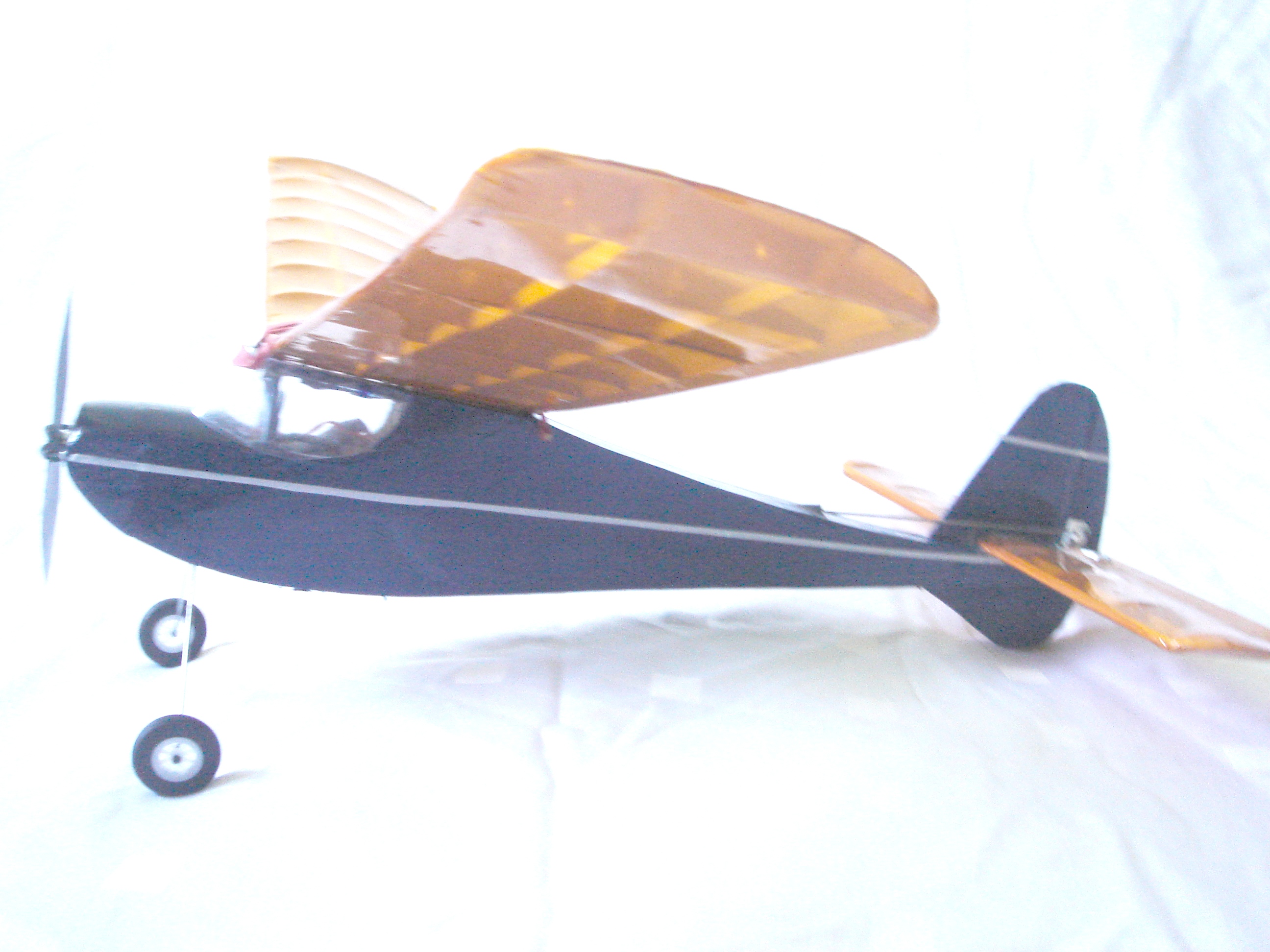
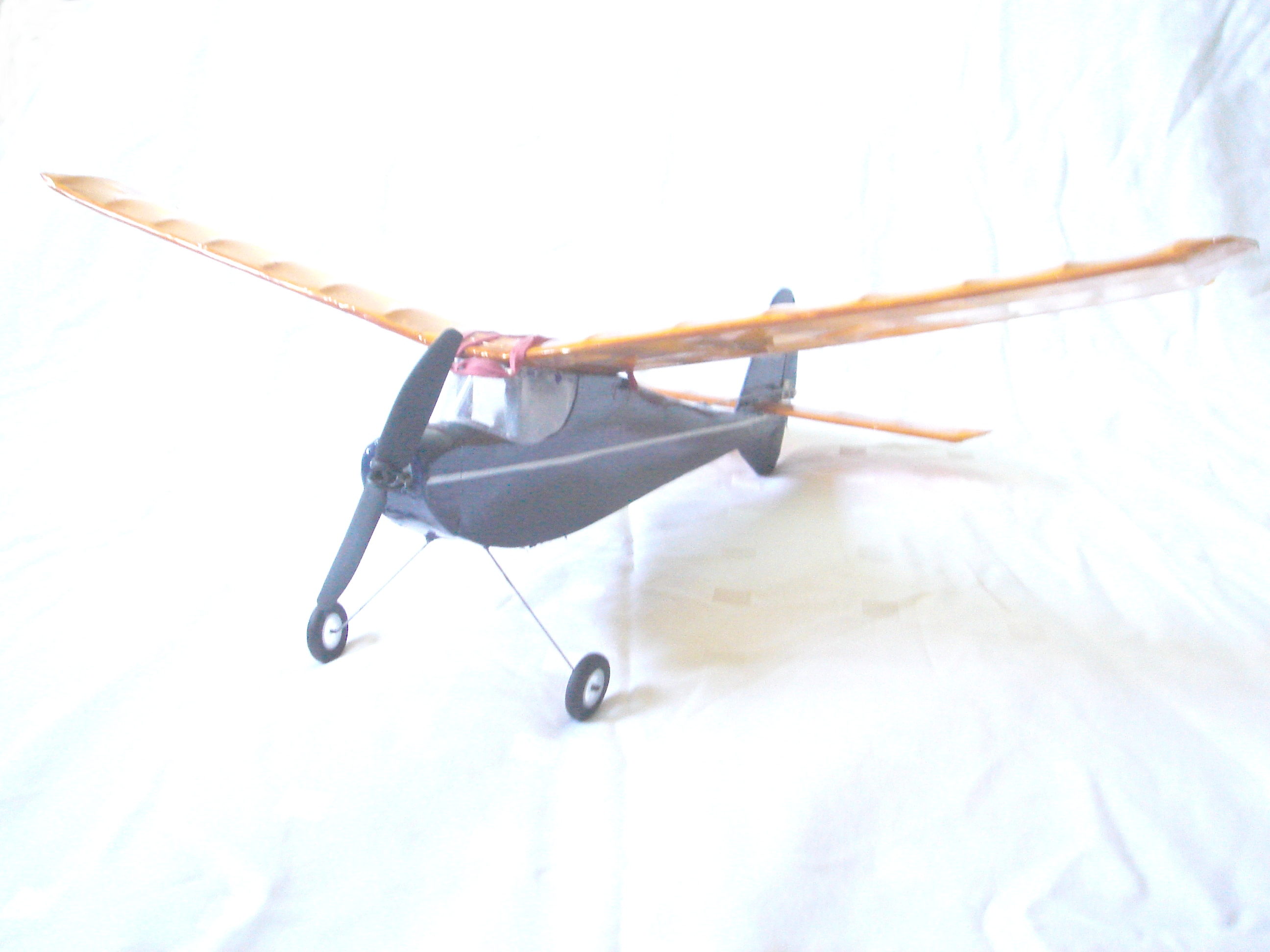
Tom Thumb off plan build Part 2; finish and fly (hopefully :) )

5th July 2013;

The little chap is all covered with Solarfilm and looks lovely. Then I hit a major hurdle that should have been obvious when looking at the plan. The original was designed with a relatively heavy diesel up front and so was designed with a long body and short nose.

When I came to balance it the balance point was way off the marked point on the plan. To get there I had to add 40g of lead to the front. Not ideal as this weight moves the envelope of the power of the motor out to its maximum. Decided that since I was going to add weight it might as well be useful and ordered some new lipos that were twice the weight and carry much more capacity giving longer flight time. With the new battery in I still required 30g up front but this compares to the weight of the original engine. I had to move the motor forward of the existing firewall and had added another compartment to the nose. All I had to do now was open up the bottom and add the weight. The plane balanced a the correct point with a small weight in the engine cover.

DSC02007

DSC02008

So today was the day. Little or no wind so lets see if it flies. Battery charged and off to Bow. On arriving I find the farmer has mowed the field and there are round bales of hay everywhere. What the hell I am here now. Hook everything up, test the controls and head off to centre of the field where there are few bales.

Gun the motor and launch with my heart in my mouth. She dips a bit then starts to climb but is banking left. Cut the power and let her flop to the ground. Adjust the rudder trim in the pits and return to the field. Gun the motor and launch and up she goes. Very twitchy on the controls so need to tone down the throws to the rudder and elevator. Flew until the motor was starting to run out of puff and brought her in for a sloppy touch down. She is not gliding that well, which she should do, so figure she is a bit nose heavy.

Very thrilled indeed by how she flies. At the moment I think she may be a bit fast for indoor flying but correction of the balance point may cure this. She is able to cruise around on half throttle.

15th July 2013;

Consulted with Stan Yeo and after more trimming I have removed 10g of nose weight which moved the balance point back to the trailing wing spar. The little chap is flying beautifully and gliding well now. Very docile and nice climb out on hand launch.

Posted in Projects | Comments Off on Tom Thumb off plan build Part 2; finish and fly (hopefully :) )

Slopehunter guide to slope soaring sites

This is a useful site. Cox Tor near Tavistcok looks interesting

Slopehunter guide to slope soaring sites.

Posted in Flying Sites | 1 Comment

Inwardleigh & Folly Gate Country Fair – June 22nd Club Fun Fly

The weather was not promising, but several members and visiting pilot Brian Tee braved the wind and showers. Four courageous pilots flew their models into the 15 mph wind gusting to around 22/23 mph – Chris Podbury, Brian Tee, Felix Marten, and Richard Johns. The show aroused some interest and prospective members.
Thanks to the club pilots, and to Brian Tee for demonstrations of grass cutting buggy and jet turbine!
Many thanks to Felix for organizing, directing and carrying out all the required administration, and to Richard Johns for patiently strimming the hedgeline, access pathways and pilots boxes. Thanks to club members for their various duties, setting up and transport.
Andrew J. Bourne Chairman Okehampton Model Flying Club
Posted in Events | Comments Off on Inwardleigh & Folly Gate Country Fair – June 22nd Club Fun Fly